Starting a new school year can be exciting, but it can also bring big feelings. New teachers, new classrooms, new routines, and sometimes even a new school can take time for kids to get used to.
While every child handles change differently, familiar comfort items can sometimes make transitions feel easier. A favorite stuffed animal can provide a sense of familiarity at home while also giving kids a simple way to talk about what they are experiencing.
Offer Comfort After a Busy School Day
The first few weeks of school can feel especially tiring. Kids are adjusting to new schedules, learning classroom expectations, meeting classmates, and taking in a lot of new information.
Coming home to something familiar can help create a sense of routine. A favorite stuffed animal can become part of an after-school wind-down routine, whether your child wants to cuddle, read, play quietly, or simply relax for a while.
Use Pretend Play to Talk About School
Some children may not immediately want to talk about their day. Pretend play can offer another way to work through school experiences.
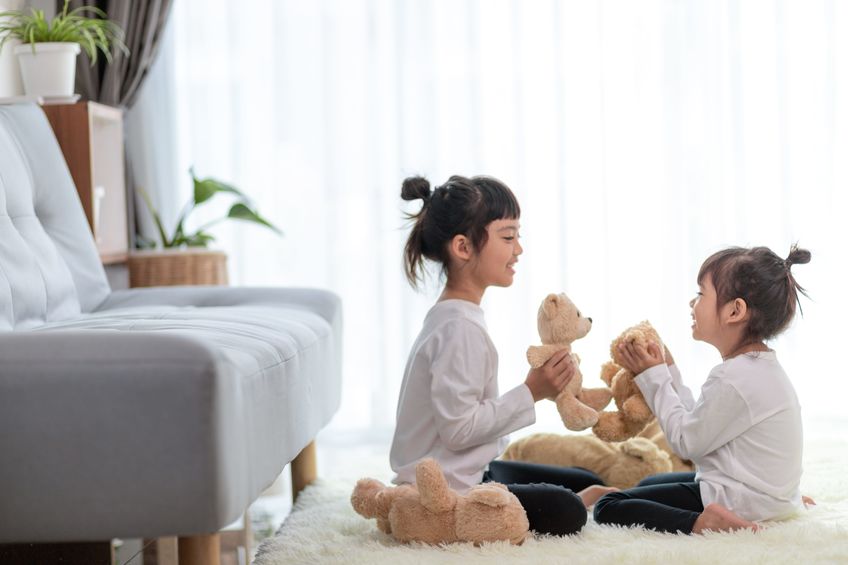
A stuffed animal can become the “student,” “teacher,” or “new kid” during playtime. Your child might act out a classroom scene, pretend the animal is nervous about school, or show their plush friend what happens during lunch or recess.
These kinds of activities can help children express feelings and make sense of new experiences in a low-pressure way.
Create a School-Themed Stuffed Animal
Another fun idea is to give a favorite plush friend its own back-to-school look. A simple stuffed animal T-shirt or outfit can make the animal feel like part of the new school-year routine.
Kids can even decorate a plain T-shirt with their school colors, name, favorite subject, or a positive message. This gives them a creative project while making their stuffed friend feel even more personal.
Make Reading Time More Comfortable
Reading at home is often part of the school routine, and a stuffed animal can make it feel more relaxed and fun.
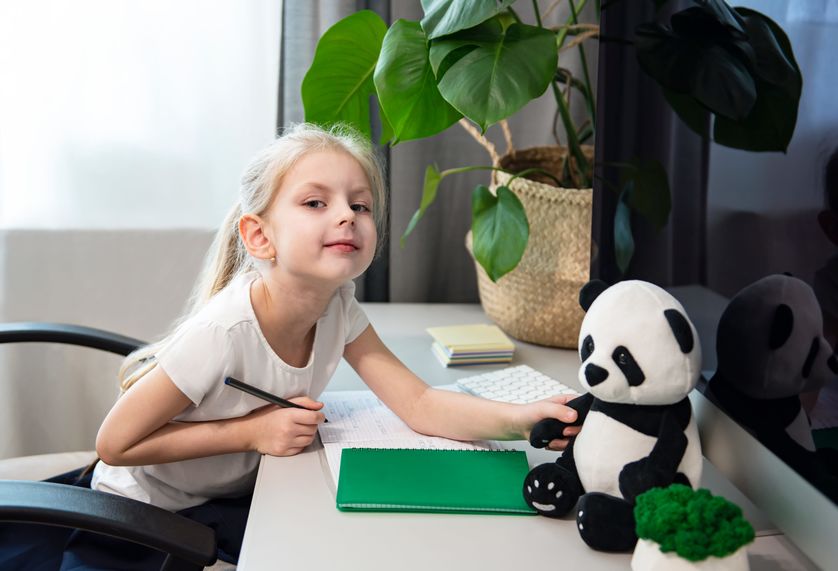
Your child can read aloud to a plush friend, explain what happened in a story, or use the animal as a quiet reading buddy. For younger readers, this can make practice feel less formal and more like play.
If your child is building confidence with reading, having a familiar stuffed animal nearby can help create a cozy environment for practicing at their own pace.
Keep Familiar Routines at Home
When school changes a child’s daily schedule, keeping a few familiar routines at home can be helpful. Bedtime stories, quiet play, and time with a favorite stuffed animal can all become signals that the busy part of the day is winding down.
These routines do not need to be complicated. Small, predictable moments can help make the transition into a new school year feel more manageable.
Start the School Year With a New Plush Friend
A new school year is full of changes, but it can also be a chance to create new traditions. A stuffed animal can become a reading buddy, pretend classmate, after-school companion, or simply a familiar friend at the end of a long day.
At The Zoo Factory, kids can choose from a wide variety of stuffable animals and personalize them with outfits and accessories. Whether you are celebrating the first day of school or helping your child settle into a new routine, a plush friend can make the season a little more fun.