Posted on Leave a comment

4 Easy Tips for Keeping Your Playroom Clean and Organized

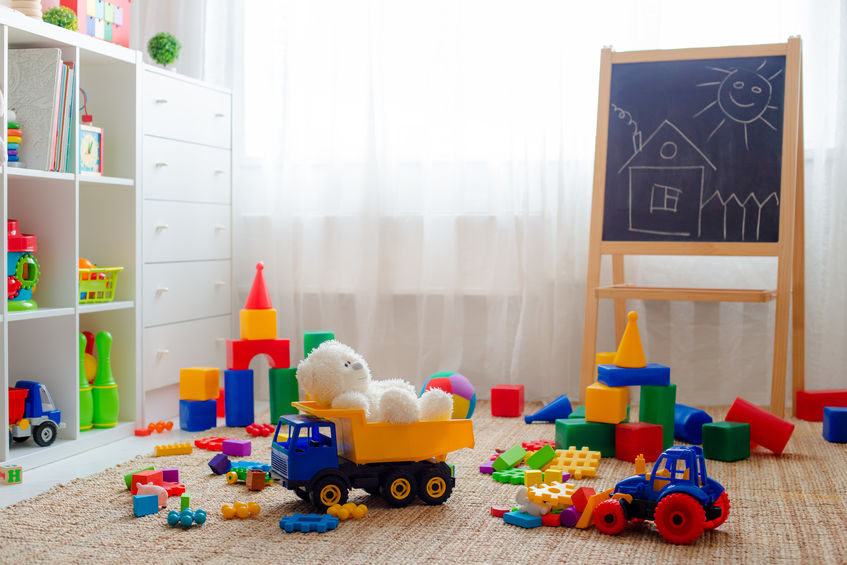
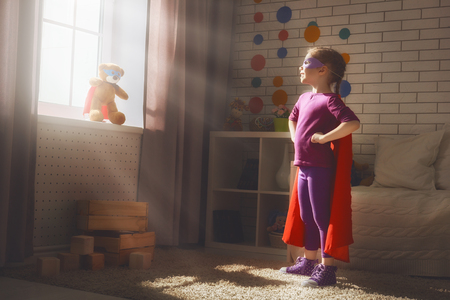
Unorganized, messy playroom

A playroom can quickly go from fun and inviting to cluttered and chaotic. Toys end up on the floor, storage bins sit empty, and it can start to feel like no amount of cleaning ever lasts. The good news is that keeping a playroom clean and organized does not have to be complicated. With a few simple habits and a setup that works for your family, you can make the space easier to manage.

Here are four easy tips to help keep your child’s playroom under control.

1) Donate Toys Your Child Has Outgrown

One of the best ways to reduce clutter is to simply have less of it. If your child has toys they no longer use or have clearly outgrown, it may be time to donate them. This frees up space and makes it easier for your child to focus on the toys they actually enjoy.

It helps to involve your child in this process instead of making all the decisions for them. Talk through which toys they still love and which ones could make another child happy. That can make letting go feel more positive and less like something is being taken away.

2) Store Sentimental Items Separately

Not every toy needs to stay in the everyday play area. Some items are worth keeping for sentimental reasons, even if they are no longer played with often. Favorite stuffed animals from babyhood, first dolls, or special gifts from grandparents can all be saved without taking up room in the playroom.

Consider using labeled storage bins for keepsakes or placing especially meaningful items in a display case or on a shelf. This helps preserve those memories while keeping the main play space more organized and functional.

3) Make Cleanup Part of the Routine

A playroom stays cleaner when cleanup becomes part of daily life instead of a once a week project. Encourage your child to pick up after each activity or at the end of the day. The more consistent the habit becomes, the less overwhelming the mess will feel.

For younger children, try turning cleanup into a game. Set a timer and see how many toys they can put away before it goes off, or play music and challenge them to finish before the song ends. Small rewards or praise can also help build positive habits over time.

4) Use Simple, Kid-Friendly Storage

If toys are hard to put away, they are more likely to stay on the floor. A good storage system should be quick, simple, and easy for your child to use on their own. Baskets, bins, and low shelves work well because kids can easily see where things belong and reach them without help.

Try separating toys by category, such as stuffed animals, blocks, dress-up clothes, or art supplies. Clear labels or picture labels can make cleanup even easier, especially for younger children who are still learning to read.

Find Playroom Friendly Favorites at The Zoo Factory

A well-organized playroom makes it easier for kids to enjoy their favorite toys and for parents to keep the space under control. If you are looking for fun additions that are easy to store, easy to love, and great for imaginative play, visit The Zoo Factory to browse a wide selection of stuffable animals, outfits, and accessories that fit beautifully into any playroom!

Posted on Leave a comment

Play Therapy: What It Is and What You Need to Know

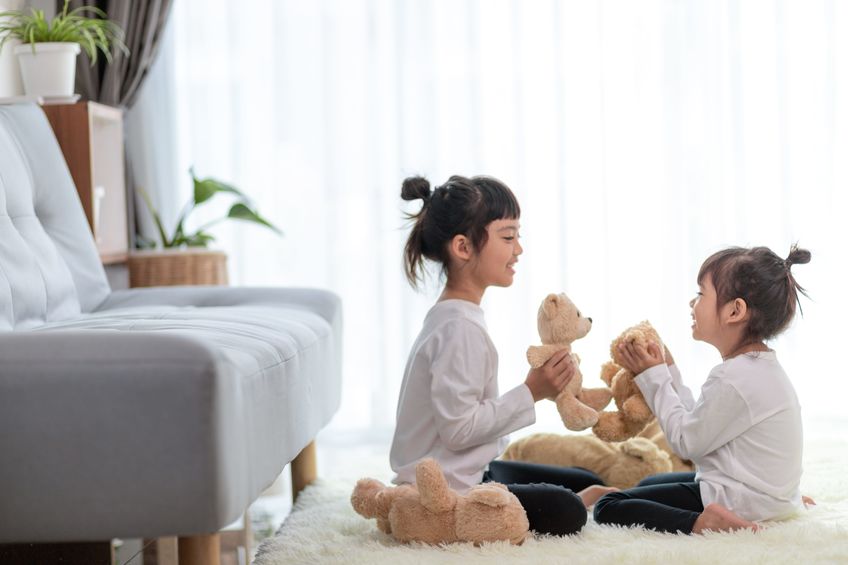
children playing with teddy bear at home

Play is one of the most natural ways children explore the world. It helps them learn, connect, and express feelings they may not yet have the words for. That is one reason play therapy has become such a valuable tool for many children. It gives them a safe, supportive setting where play can help them process emotions, work through challenges, and build healthier coping skills.

What Is Play Therapy?

Play therapy is a form of counseling that uses play to help children communicate and work through emotional or behavioral concerns. Instead of expecting a child to sit and talk through difficult feelings the way an adult might, a trained therapist uses toys, games, and creative activities to better understand what the child is experiencing. Through that process, children can express fears, frustrations, confusion, and worries in a way that feels more natural to them.

Why Play Matters in Therapy

Children often lack the vocabulary or emotional awareness to explain exactly what they are feeling. Play gives them another outlet. A child may act out a stressful situation with toys, create stories that reflect their worries, or simply use the play session to feel more secure and in control. In that environment, the therapist can observe patterns, help the child identify emotions, and guide them toward healthier responses.

What Can Play Therapy Help With?

Play therapy may be used for children who are dealing with anxiety, stress, grief, trauma, behavioral struggles, family changes, or difficulty expressing emotions. It can also support children who are having trouble with social skills or adjusting to big life transitions, such as a move, a divorce, or starting a new school. While it can be very helpful, it is not a one-size-fits-all solution, so it is always best to talk with a licensed therapist about whether it is the right fit for your child.

How Comfort Items Can Support Emotional Well-being

Outside of therapy sessions, many children benefit from familiar comfort items at home. A stuffed animal can offer reassurance during stressful moments, bedtime struggles, or times of change. While a plush friend is not a substitute for professional support, it can help children feel calmer, safer, and more emotionally grounded. That sense of comfort can make a real difference, especially when a child is learning how to manage big feelings.

A Gentle Way to Support Growing Minds

Play therapy reminds us that children do not always need pressure to talk; they need safe ways to express themselves. Whether through imaginative play, games, art, or cuddly comfort items, the goal is to help children feel seen, supported, and understood.

If you are looking for a soft, comforting companion your child can cuddle during stressful moments or quiet time, explore The Zoo Factory’s collection of stuffable animals. With so many lovable options to choose from, you can find a plush friend that brings comfort, creativity, and a little extra reassurance to your child’s day.

Posted on 1 Comment

Why Do Kids Love Stuffed Animals?

teddy bearStuffed animals have been a classic children’s toy for decades, but why? What makes them so special? Even in this technological age, stuffed animals haven’t lost their appeal to children. Read on to discover some of the reasons why this is.

They come in all different sizes and colors, which make them extremely versatile. They can be in the style of different animals, including whichever is the person’s favorite.

One great reason is that they can encourage a nurturing attitude. Many times you see kids playing house, or school, or acting out their favorite scenes from movies. They do this because they are pretending to be adults! Having a stuffed animal allows them to take care of them. In their eyes, they make the best student, child, or playmate in their eyes. They can take care of them when they are sick and they get to try their hand at responsibilities. This stage of play is crucial to their social and mental development, so encourage them to put them down for a nap!

Stuffed animals are always smiling, which means they are always a source of positive interaction. From a young age, we are taught to associate smiling with positive feelings. Stuffed animals always have a smile on their face, which means they are always available for when they are having a bad day. Even if someone else is disappointed in them, teddy won’t be!

Ever noticed how great stuffed animals are at giving hugs? Squishy hugs are the best at making a day better. Stuffed animals don’t need to breathe either, so they can get a bear hug for a long time! The softness and warmth of a stuffed animal just can’t be beat.

In addition to all of this, they are very easy to clean. When a child has a messy room, stuffed animals are very easy to pick up and put in their designated spot. They quickly find that they can see the floor again, and when their favorite stuffed animals have messy fur, they are easy to clean as well. More often than not, they can have a spa day in the washing machine and come out looking better than ever.

Children will create a special bond with their toys, so it’s important to get one that lasts. Stuffed animals tend to outlive electronic toys, or anything that comes in one hundred pieces that tend to get lost over time. Stuffed animals can be sewn if they rip, whereas plastic toys are harder to put back together. Stuffed animals can last for years without much fuss.

The benefits don’t stop there! It’s been shown time and time again that having a stuffed animal can cause toddlers to start becoming more independent. When your toddler has a task or skill to perform, encourage them to show teddy how it should be done. Having someone to teach will strengthen their confidence and their ability to do tasks on their own.

 
[msh_feedburner]