Stuffed animals are often one of the first comfort items that babies and toddlers grow attached to. While they may seem simple, these soft companions can play an important role in early development. From encouraging sensory exploration to supporting emotional comfort, stuffed animals offer benefits that go beyond cuddling.
Here are a few ways stuffed animals can positively affect babies and toddlers.
They Support Early Sensory Development
Young children learn about the world through touch, sight, and sound. A stuffed animal introduces them to different textures, colors, and shapes in a way that feels safe and inviting. Babies may enjoy running their hands over soft fabric, squeezing different parts, or studying the face and features of their plush friend.
These simple interactions help babies and toddlers explore sensory details while building familiarity with the objects around them.
They Encourage Comfort and Security
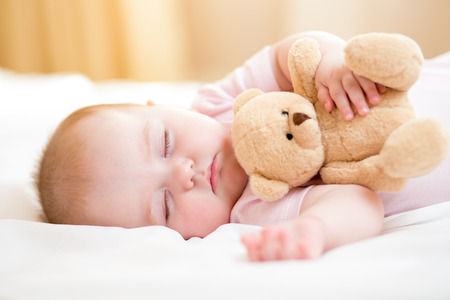
Babies and toddlers thrive on routine and familiarity. A soft stuffed animal can become a source of comfort during naps, bedtime, travel, or transitions away from home. Even at a very young age, children often respond positively to items that feel familiar and soothing.
As toddlers grow, they may begin reaching for their favorite plush companion during stressful moments or when they need help settling down. This sense of comfort can make new experiences feel a little less overwhelming.
They Help Build Imagination Over Time
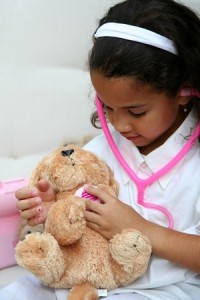
At first, a baby may simply hold or cuddle a stuffed animal. As that child grows into toddlerhood, the relationship often becomes more interactive. Toddlers start pretending, talking to their stuffed animals, and including them in play routines. A plush friend might sit at a tea party, ride along in a stroller, or become a bedtime buddy with a name and personality.
These early imaginative moments help support creativity, language growth, and social development.
They Can Teach Simple Concepts
Stuffed animals can also be useful tools for teaching. Parents can use them to introduce animal names, sounds, colors, and even emotions. A plush puppy, bunny, or bear can help a child identify familiar animals while also making learning feel playful and engaging.
As toddlers get older, stuffed animals can also be used to model routines like bedtime, sharing, or gentle behavior.
What to Look for in a Stuffed Animal for Babies and Toddlers
When choosing a stuffed animal for a baby or toddler, safety should always come first. Look for plush toys that are soft, durable, and appropriate for the child’s age. Avoid items with loose parts, long fur, or anything that could become a choking hazard. It is also helpful to choose a stuffed animal that is easy to carry, cuddle, and keep clean.
A good stuffed animal should feel comforting, simple, and suitable for your child’s stage of development.
Find a Soft First Friend at The Zoo Factory
A stuffed animal can be much more than a toy for a baby or toddler. It can become a source of comfort, a learning tool, and eventually a companion for imaginative play.
If you are looking for a soft, lovable friend for a little one in your life, visit The Zoo Factory to explore a wide selection of stuffable animals that make thoughtful gifts for babies and toddlers.