Posted on Leave a comment

What to Do When Your Child Has a Cold

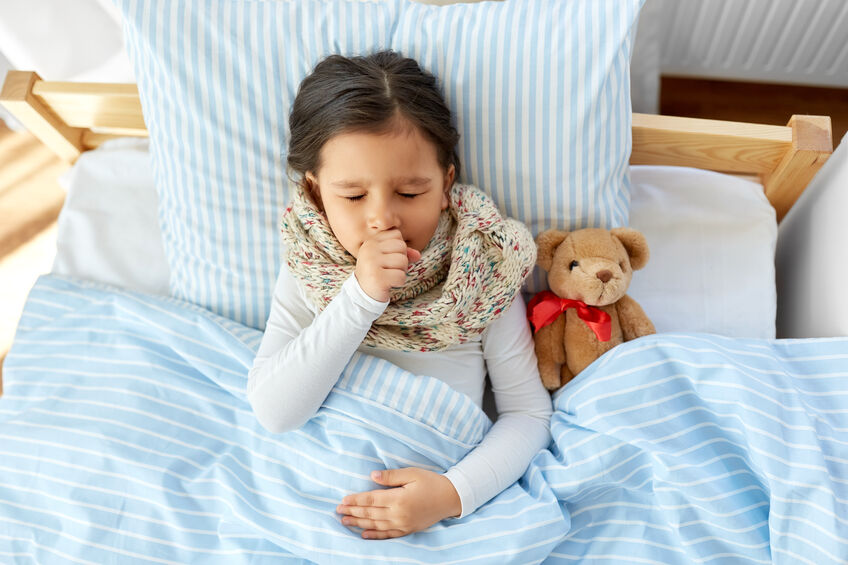
young girl sick in bed with cold

Cold season is upon us, and that means lots of late nights dealing with coughs and stuffy noses. As a parent, we never want to see our child sick. Yet, getting a cold is almost inevitable for children. Colds, thankfully, aren’t dangerous, but there are ways you can help your child get over their colds faster.

Keep them comfortable

A scratchy throat, constant coughing, a stuffy nose…these are all the tell-tale signs of a cold. They are also extremely uncomfortable to deal with. While you can’t get rid of these symptoms immediately, you can try to keep your child as comfortable as possible in the process. Keep them in bed or on a couch, give them plenty of blankets and pillows, and put on their favorite TV show. Keeping their favorite toy or stuffed animal by their side can also be a helpful support system.

Provide OTC relief

Over-the-counter (OTC) drugs can help ease your child’s symptoms. But be careful which ones you use. OTC cough and cold medicines can only be used by children older than six years of age. Acetaminophen and Ibuprofen can also be used, but only for children over six months old. Medicated nose drops and sprays can also be helpful, but keep in mind they can only be used for two to three days, and should never be used by children under six years old.

Keep them fed and hydrated

This one seems obvious, but you may have trouble getting your child to eat or drink when they feel awful. Try your best by getting snacks or drinks you know they’ll enjoy. If you’re having a lot of trouble, try and get your child to eat even a little chicken noodle soup. This classic dish is perfect for colds because it provides both nutrients and hydration.

Here at The Zoo Factory, we hope everyone stays healthy in the months to come. For more child care tips, read through our blog today!

Posted on Leave a comment

How to Help Your Child Overcome Their Fear of Shots

child receiving vaccine from doctor with family beside her

As of this blog post, the FDA is on the brink of approving the Pfizer-BioNTech COVID-19 vaccine for children ages 5 to 11. And for the past several months, children over the age of 12 years old have been receiving the vaccine. We all understand the importance of receiving the COVID-19 vaccine, as well as other vaccines, in order to safeguard our public health. Nevertheless, if you have a child with a fear of shots, getting them to sit down for a vaccine can be easier said than done.

But don’t give up just yet. By taking the right steps, you can help your child ease their fear of shots and get vaccinated like everyone else!

Educate them about vaccines

The less people know about something, the more they fear it. Kids are no different. If you educate your children about how vaccines work, they’ll be less frightened once the time comes to get one. Keep your explanation simple and emphasize that vaccines are here to protect us, not harm us.

Practice beforehand

Another way to lessen your child’s anxiety is to practice getting a shot beforehand. Purchase a toy medical kit and have one person play the doctor and the other play the patient. You can even use one of your child’s stuffed animals to play the role of the patient.

Be an example

Our children model their behavior off of ours. Even if you’re a little nervous about shots, try to exhibit a sense of calm when it’s time for your child’s appointment. You can also try bringing your child with you when it’s time for you to get a shot yourself. While many adults have already received the COVID-19 vaccine, now is the best time to get your flu shot!

Bring a comfort item

When the big day comes, it’s normal for your child to get a little nervous. To help manage their anxiety, consider having them bring a comfort item with them. This could be their favorite blankie, toy, stuffed animal, etc.

The Zoo Factory has plenty of lovable, stuffed animals that can help ease your child’s anxieties. Look through our website to find their next best friend today!

Posted on Leave a comment

How to Clean Your Child’s Favorite Stuffed Animal

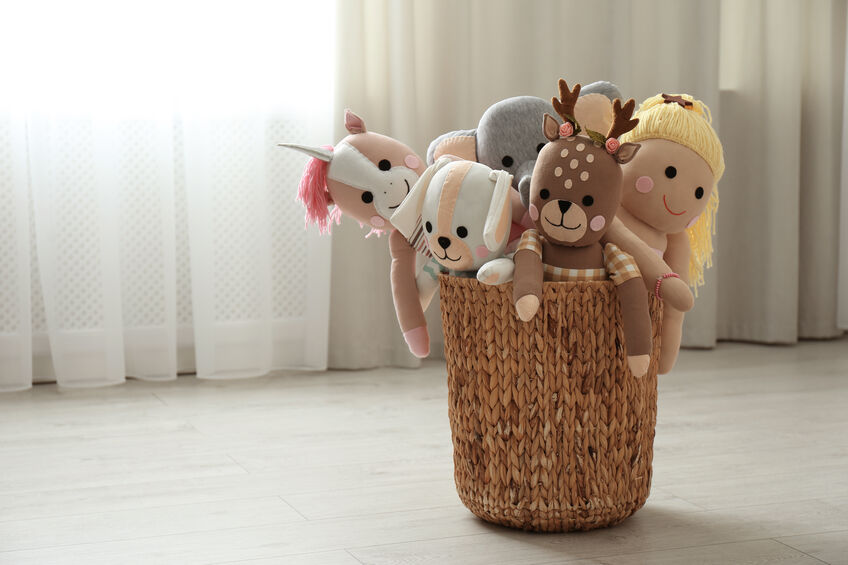
stuffed animals in a basket

That stuffed animal has been at your child’s side for what seems like ages. You can’t picture one without the other. Except, you could probably stand to see the animal looking a little cleaner! When a well-loved stuffy has seen better days, performing a little magic cleaning can have it looking like new again.

Before cleaning

Firstly consider a few factors when determining how to clean the stuffable animal. For instance, the older the animal is, the more fragile it has become. Harsh scrubbing may end up doing more damage than good, so it’s best to approach cleaning mildly and gently. Also, you will want to gage your level of cleaning on how the stuffy is constructed and what materials from which it is made. An animal with sturdy stitching and heat-friendly stuffing might do well being machine washed and dried. But an animal bonded by glue, or with moving parts will not fair well in a washing machine and dryer.

Check the label

Follow all directions on labels when you can. For instance, if it says wash by hand, sometimes you can get away with a gentle cycle on the washer. But if it says surface clean only, it is best to comply. Be sure to remove any bows or accessories before washing in a machine. Not only can these items fall off or get ruined in the machines, but they have a nasty habit of working their way inside the machine and can cause serious problems for your appliances.

Know when it’s time to let it go

Animals that have been loved hard sometimes don’t make the cut anymore. Those that are deemed unsalvageable should be tossed. However, if is very meaningful, try to replace it with a new one before tossing the old. Also, if you are going to throw it out anyway, try it in the washing machine just in case. You haven’t got anything to lose!

Spot wash when possible

Learning how to spot wash can help prevent you from having to wash the whole stuffed animal. Take a vacuum brush to the animal and gently remove dust and dirt. An upholstery cleaner may also be used on the stuffed animal, but be sure to test an area of the stuffed animal first. Use a safe, non-toxic cleaner  made of warm water and a squirt of liquid dishwashing soap. Beat the liquid and soap on a medium speed until foamy. Sponge clean the animal and use a spray water bottle to remove the suds. Let the animal air-dry. If desired, fluff the animal on a low heat or delicate dryer setting.

Have further questions on how to care for your stuffed animals? Contact The Zoo Factory today!

Posted on Leave a comment

How to Parent a Highly Sensitive Child

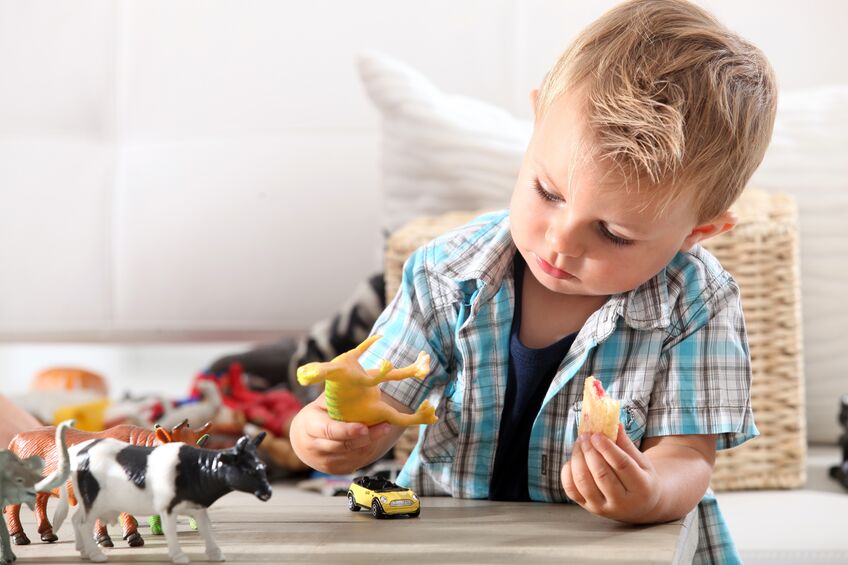
child playing with toys in living room

Every child is different, even if they come from the same parents. One child may have no problem with loud noises or large crowds, while the other can’t stand it. If your child is in the latter category, they could be highly sensitive. But what does this mean? Read on to learn more.

What is a highly sensitive child?

Psychiatrist Elaine Aron was the first person to coin the term HSP, or highly sensitive person. But what exactly does that mean? An adult or child who is considered an HSP has a highly reactive nervous system. In other words, they’re more sensitive to physical, emotional, and social stimuli, and thus quick to react.

How does this affect their day-to-day life?

For most of us, our brains filter out certain information, but HSPs take in everything. As a result, they are very perceptive. This can be a major advantage, but it can also work against them. When there is too much stimuli—such as in large crowds—an HSP can become overstimulated and overwhelmed. Adults can have the self-knowledge to handle overstimulation accordingly. But children do not. As a result, highly sensitive children may have emotional outbursts or shutdown all together.

Parenting a highly sensitive child

Parenting a highly sensitive child may require different techniques. Here’s what you can do:

  • See it as an advantage: Being highly sensitive should not be considered a negative personality trait. Your child is not “too sensitive,” they just see the world different. Plus, a HSP has qualities that others don’t, such as having a greater level of emotional awareness, empathy, innovativeness, attention to detail, and more.
  • Understand their triggers: Your child will be more sensitive to external stimuli. Understanding what triggers them can help you avoid or manage these situations.
  • Be accommodating: Some parents try to expose their child to their triggers to force them to “get over” it. However, this actually worsens the problem. High sensitivity is an inborn trait, so it’s better to cope with it than try to “fix” it. For instance, you can give them a pair of headphones to block out loud noises, or a stuffed animal to keep them calm.

A stuffable animal from The Zoo Factory can help keep your highly sensitive child calm in tough situations. Look through our website today to get started!

Posted on Leave a comment

The Top 3 Most Popular Fictional Bears

little girl reading to her teddy bear

Each of us remembers when we were young and had a stuffed animal that was our best friend. We also remember the many fictional bears that we read about in books or saw on the TV. Many famous fictional bears were a crucial part of our childhood, establishing our love for teddy bears for years to come. Below are three of the most popular fictional bears from years’ passed.

Winnie the Pooh

Why do we continue to love Winnie the Pooh so much? Maybe it’s his boyish charm, or his innate ability to love his friends (Christopher Robin, Piglet, even Eeyore) no matter what. Or maybe it’s the chance that he’ll likely fall into a jar of honey at least once while you’re watching. Since he premiered in the 1920s, Winnie the Pooh has captivated young audiences. And for good reason. In fact, a movie titled “Christopher Robin” was just released in theaters highlighting Winne the Pooh and his friends in 2018.

Paddington Bear

We recently found out that one day, a man named Michael Bond took shelter from the snow, and laid his eyes on a teddy bear at a store nearby Paddington Station, in London. He purchased the bear for his wife and was then inspired to write his first book featuring the character, Paddington Bear, a duffel-coat-wearing teddy who migrates from Peru to London to start a new life. He also loves marmalade sandwiches. The books written about this beloved bear eventually sold over 30 million copies.

Yogi

Ayyyy, Boo-Boo! A Warner Bros. classic, we had to give a mention to Yogi the Bear, who, along with his sidekick Boo-Boo, are on the hunt for picnic baskets, and fun. Yogi first appeared in 1958 on a show titled “The Huckleberry Hound Show” and his success spiraled from there. He was known to be “smarter than the average bear.”

These are just some of the fictional bears that we’ll remember forever, many of which continue to create new audiences with feature films, cartoons, and books alike.

At The Zoo Factory, we’re proud to offer an extensive selection of make-your-own stuffed animals. With dozens of fun, soft animals to choose from, your child can pick out his or her new favorite friend and toy.

Posted on Leave a comment

Tips for Buying Secondhand Baby Items

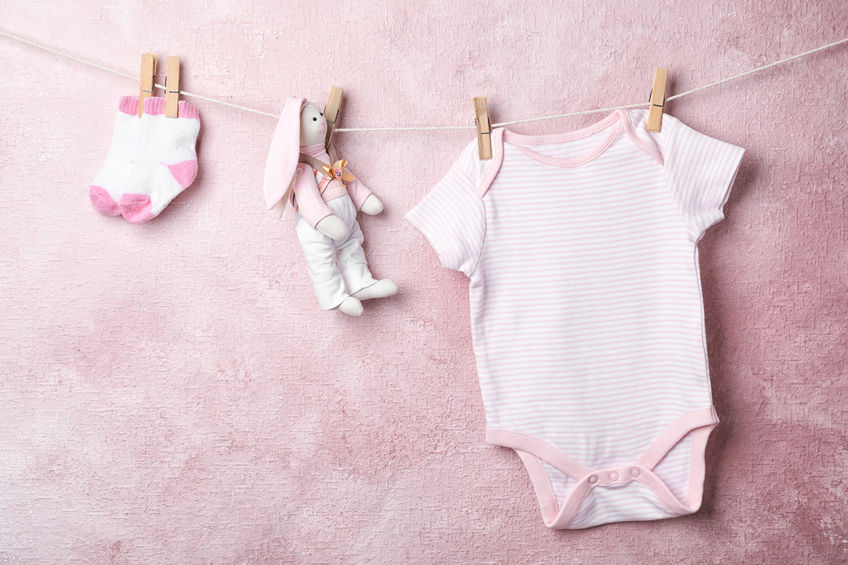
baby clothes hanging on wire

Raising a child is expensive. From cribs to clothes to toys to food, you’ll be stretching your budget thin if you always buy the latest and greatest items. That’s why many parents turn to secondhand items to buy for their children. By buying secondhand, you can get the great quality products for half the price as it would be new. Nevertheless, buying secondhand is different from buying new. That’s why we’ve put together these simple tips to help you get started.

Where to buy secondhand baby items

You can’t buy secondhand baby items in a traditional store, so you’ll have to look elsewhere. Craigslist and Facebook Marketplace are the most common places to find secondhand items. Plus, you can arrange an in-person meet-up to inspect the item. There are also apps such as ThredUP that specialize in selling used items.

What NOT to buy secondhand

There are many baby items you can buy secondhand, but there are some that you shouldn’t. Breast pumps and crib mattresses should never be bought secondhand. And while many items of clothing and blankets can be bought used, you’ll want to inspect them carefully to ensure they’re in good shape.

Inspect the item carefully

Every item that you buy secondhand should be inspected carefully before purchase. While most used items are in good condition, you still run the risk of buying an item that is broken or soiled. If you’re buying online, try to find pictures of the item or make sure you’re buying from a reputable seller. If you’re buying in-person, test the item out and inspect every inch of it before you buy it.

Check for expiration dates or recalled items

Many baby items such as clothes or blankets don’t have expiration dates. But some do. Car seats, for instance, come with expiration dates of about six to ten years. Cribs or toys, meanwhile, may have been recalled after they were first purchased. Do your research before buying any older item.

While buying secondhand items can save you lots of money, it’s important to still get new items for your child. In that regard, consider buying your child a stuffable animal from The Zoo Factory. We have plenty of options available, just look through our website to get started!

Posted on Leave a comment

How to Prepare Your New Babysitter

babysitter helping child color a drawing

After spending weeks looking for the right babysitter, you’ve finally found the perfect person for the job. However, finding a babysitter is just half the battle. You also need to prepare them for the tasks ahead if you want to set them up for success. Even the most experienced babysitter knows that no two families are alike. As such, you should take steps ahead of your babysitter’s first day with the kids to help everyone prepare.

Create an emergency contact list

Your babysitter will know to call 911 if a true emergency occurs. However, they should also have a list of family members, friends, or neighbors to call if something happens and they can’t reach you. Have at least three names and numbers on your list other than your own. You should also create rules as to when your babysitter should use these numbers. You may want them to call only if a true emergency occurs, or you may want them to call if they have questions or if one of the kids had a minor accident.

Make a schedule

Kids depend on routines, but your babysitter won’t know what your daily routines are. You don’t need to map out every single detail. Nevertheless, you should at least mention the most important parts of the day: when they eat, when they go to bed, etc.

Prepare meals or have a list of allowed foods

In most cases, a babysitter will be working around dinnertime, so they’ll need to know what to feed your kids while you’re gone. This is especially important if your child has food allergies or is a picky eater. You can prepare meals ahead of time, or you can create a list of allowed foods that your babysitter can either have delivered or make themselves.

Introduce your child to your babysitter ahead of time

Don’t wait until the first day to introduce your child to your babysitter. Even if your child isn’t particularly shy, they may have trouble dealing with a stranger at first. So, take some time out to have your babysitter get to know your child before the big day. You should also take this as an opportunity to let your babysitter in on anything they need to know about your child. This could include their food preferences, favorite toys, what they like to do for fun, etc.

Inviting a new babysitter into your home can be a challenging experience at first, but it doesn’t have to be. By creating a welcoming environment with plenty of toys and stuffed animals, your child and your babysitter will become the best of friends. To get started, look through our website here at The Zoo Factory today!

Posted on Leave a comment

How a Teddy Bear Might Help Your Child Sleep

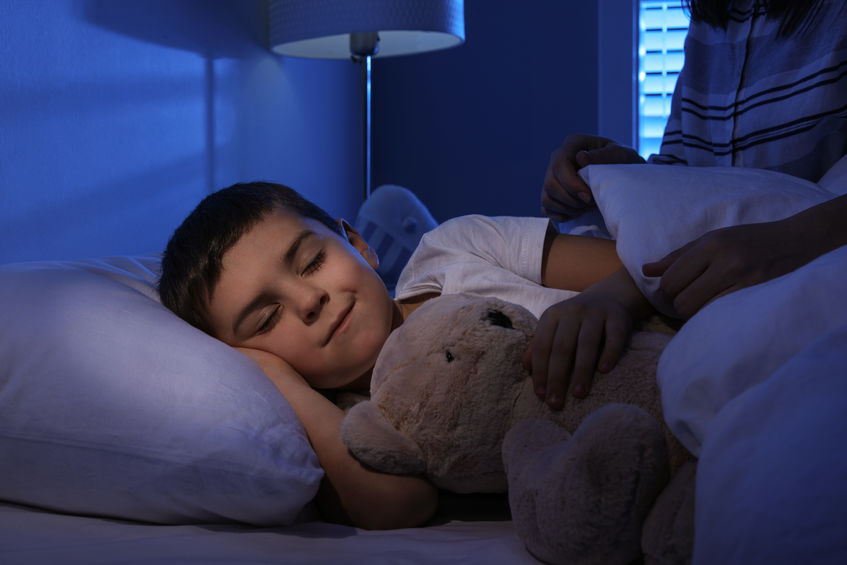
Little boy sleeping with teddy bear

Dreaded are the nights your child doesn’t sleep, whether they are flat-out refusing to go to bed or waking you up often because they simply can’t sleep at all. Establishing a bedtime routine often becomes a nightly battle with little ones. Unfortunately, the effects of poor sleep can extend from the night well into the morning, following your child to school which can contribute to trouble retaining information, a lack of concentration, and even behavioral problems.

However, recent research shows that there are a variety of ways to remedy these problems, some of which might surprise you!  A healthy sleep routine should be encouraged by both parents and educators.

Creating a bedtime routine

Research has shown that teddy bears can be effective when demonstrating a sleep routine to a child. Parents and educators alike have been using the teddy bear to teach children how to develop a bed time routine. By having a child instruct a teddy bear on how to get ready for bed, much like a parent would instruct a child, a child can learn to model and mock the behavior.

A source of comfort

Teddy bears can not only help create a bedtime routine, but they can also provide a source of comfort. After all, who wouldn’t feel at ease curling up in bed with their favorite teddy? This is especially helpful for kids that deal with nightmares, as a teddy bear can keep them calm and hopefully keep the nightmares away.

Interested in incorporating a beloved teddy bear into your child’s bedtime routine? Visit The Zoo Factory today and choose from dozens of fun and soft teddy bears and animals.

Posted on 1 Comment

Toys that Enhance a Child’s Imagination

Toys that Enhance a Child’s Imagination

Children have amazing imaginations and their ability to play pretend and think up stories is inspiring. For many children, role-playing and creativity is often sparked through play. Playing with different types of toys can help to fuel a child’s imagination, helping them to become more innovative and imaginative. Read on to learn more:

Playing with Costumes

When children play dress-up, their imaginations run wild! They can take ordinary clothes and turn them into fantastical stories, but they can also play with costumes. Costumes allow children to dress up as superheroes, historical figures, doctors, movie stars, animals, and more. They allow children to “become someone else” in a matter of minutes, resulting in endless hours of fun. Save some of your old clothing, such as shoes, purses, and ties, that could work perfectly for a costume!

Playing with Art Supplies

Give a child (washable) colorful markers and watch them create new worlds and amazing ideas. Playing with art supplies triggers a child’s imagination, allowing them to put their thoughts and dreams into something real and tangible. Art is the perfect platform for allowing children to explore their personal creativity. Children just love to get messy with glitter, glue, stickers, and paints! You can also follow these tips on an easy clean up to limit the mess.

Playing with Toy Cars

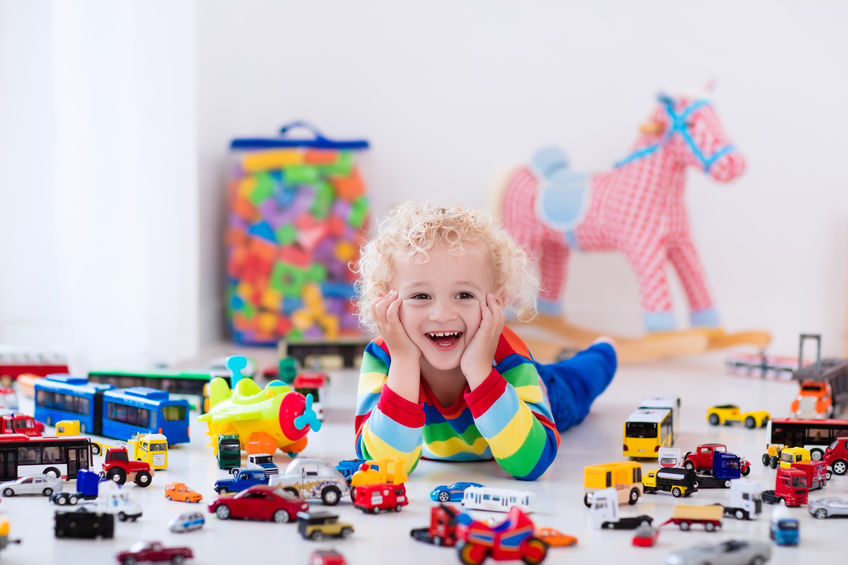
The concept of traveling to new and unseen places can heat up a child’s imagination. Children relate vehicles with trips to school, the park, grandma’s house, the beach, and more. Children love going places and experiencing new things, and they often associate cars with that concept. Playing with toy cars, buses, and trains give children the opportunity to take trips in their minds.

Playing with Stuffed Animals

Playing pretend often starts with your child’s first stuffed animal, which they will love and adore like a true friend. Stuffed animals, such as teddy bears, can kick-start your child’s imagination because they will often treat their furry friend as a real person. Stuffed animals can benefit children of all ages.

Encourage your child’s imagination with a stuffable animal from The Zoo Factory. Children will love the idea of building their very own stuffed animal and making it on their own.

Posted on Leave a comment

How to Start a Family Fitness Challenge

How to Start a Family Fitness Challenge

We all understand the importance of staying fit, not just for our children but for ourselves as well. However, it can be difficult to motivate everyone. That’s where family fitness challenges come in. Fun for the whole family, these challenges can motivate the adults and children to reach their fitness goals. Here’s how to start:

Pick a goal

A family fitness challenge requires every member of the family to work towards a goal. Picking that goal, however, will require some thought. Some families do the same sport and work towards, say, running a mile under 10 minutes. Yet, you may find that not every member of your family wants to run or do the same sport. If that’s the case, you can all have your own individual goals. Your son may work on improving his batting average, while your daughter can try to do 30 consecutive push-ups.

Make a plan

Now that you have your goal(s), it’s time to make a plan to reaching it. Detail how each person will reach their fitness goal and find a way to monitor their efforts (such as fitness logs, training apps, and more). You should also have a timeframe for when the challenge starts and when it ends. If you would like certain rules or guidelines, these should be agreed upon before the challenge starts.

Choose a reward

A fitness challenge can be arduous, but you can keep everyone motivated with a reward. If your family is the competitive type, you can all compete to see who reaches their goal first. Whoever does gets a reward of their choosing. However, you can also reward each person who manages to meet their fitness goal in the allotted time. Almost anything can be a reward—a trip, cash, a new toy, or a fancy meal.

One way you can reward your kids for meeting their fitness goals is to get them a stuffable animal from The Zoo Factory. Look through our website to get started!