Posted on — Leave a comment

How Stuffed Animals Can Provide Comfort During Depression

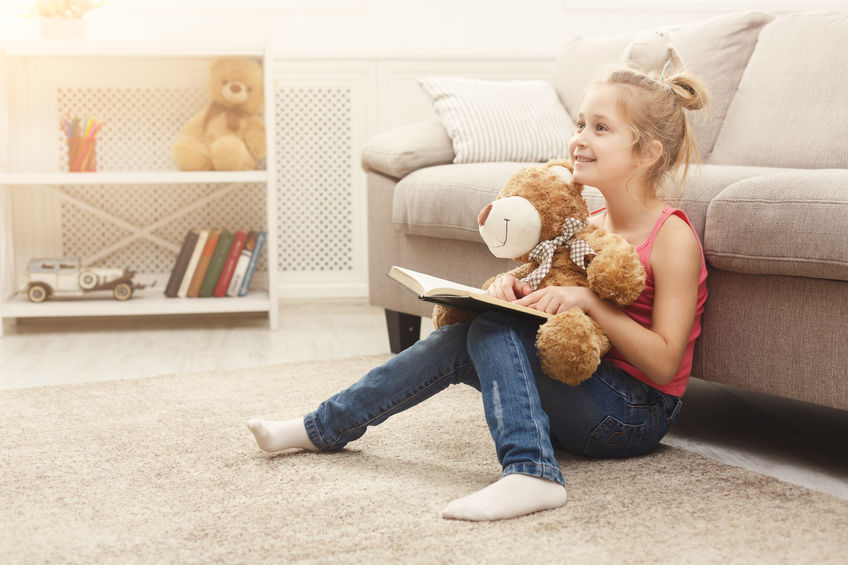
Little girl holding stuffed animal for comfort

Stuffed animals are often associated with childhood, but comfort objects do not necessarily lose their meaning as we get older. A favorite teddy bear or plush friend can hold memories, provide something soft and familiar to reach for, and simply make a difficult day feel a little more manageable.

For someone experiencing depression, a stuffed animal is not a treatment or cure. However, familiar comfort items can sometimes provide emotional reassurance, sensory comfort, and a sense of familiarity during stressful or difficult moments.

Why Comfort Items Can Feel Reassuring

Holding something soft can feel naturally comforting. Research on touch and well-being has found that touch-based interventions can positively affect stress, anxiety, and mood. A large 2024 review published in Nature Human Behaviour found benefits from different forms of touch, although the mental health effects were generally stronger with human touch than with objects or robots.

That does not mean cuddling a teddy bear will make depression disappear. Instead, a soft object may simply offer a calming sensory experience during moments when someone feels overwhelmed, lonely, or emotionally drained.

Familiar Objects Can Create a Sense of Stability

Depression can sometimes make everyday life feel more difficult. According to the National Institute of Mental Health, symptoms may include persistent sadness, fatigue, difficulty concentrating, changes in sleep, loss of interest in activities, and feelings of hopelessness.

During difficult periods, familiar objects can provide a small sense of consistency. A stuffed animal from childhood might bring back positive memories, while a newer plush could become part of a relaxing evening or self-care routine.

Adults who still enjoy their childhood stuffed animals have no reason to feel embarrassed about keeping something with sentimental value or that provides comfort.

Stuffed Animals Can Be Part of a Calming Routine

Small routines can help make stressful days feel more predictable. Someone might keep a favorite stuffed animal near their bed, on the couch, or in another comfortable space where they go to unwind.

A plush friend could be part of a routine that also includes reading, listening to music, journaling, watching a favorite show, or simply taking some quiet time.

Stuffed animals may also be used as comfort items in certain therapeutic or caregiving settings. You can learn more about the broader idea in our guide to stuffed animal therapy.

Comfort Does Not Replace Mental Health Care

It is important to separate emotional comfort from professional treatment. Depression is a real health condition, and a stuffed animal should never be viewed as a replacement for therapy, medication, medical care, or support from other people.

The National Institute of Mental Health explains that depression treatment commonly involves psychotherapy, medication, or a combination of approaches depending on the individual’s needs.

If feelings of depression are persistent or interfering with everyday life, talking with a healthcare provider or licensed mental health professional is an important step. Anyone experiencing thoughts of suicide or a mental health crisis in the United States can also call or text 988 for the Suicide & Crisis Lifeline.

There Is Nothing Wrong With Seeking a Little Comfort

Comfort can look different for everyone. For some people it may be a favorite blanket, a familiar song, a pet, time with someone they trust, or a stuffed animal that carries special memories.

A plush companion cannot solve depression, but if holding something familiar helps you feel a little calmer or more grounded during a hard moment, there is nothing wrong with making room for that comfort.

If you are looking for a soft companion for yourself or someone you care about, visit The Zoo Factory to explore our collection of stuffable animals. With teddy bears, puppies, cats, wild animals, and more, you can create a personalized plush friend that offers a little extra comfort when you need it.

Posted on — Leave a comment

Play Therapy: What It Is and What You Need to Know

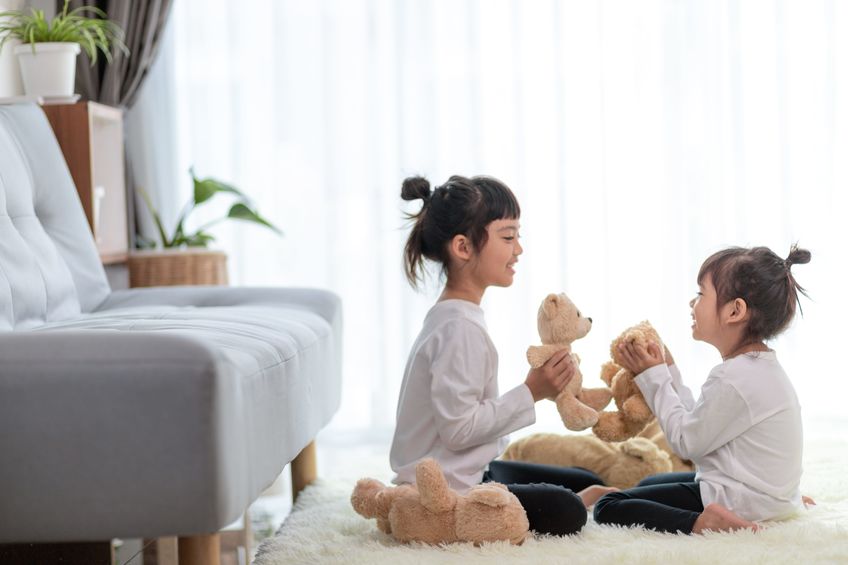
children playing with teddy bear at home

Play is one of the most natural ways children explore the world. It helps them learn, connect, and express feelings they may not yet have the words for. That is one reason play therapy has become such a valuable tool for many children. It gives them a safe, supportive setting where play can help them process emotions, work through challenges, and build healthier coping skills.

What Is Play Therapy?

Play therapy is a form of counseling that uses play to help children communicate and work through emotional or behavioral concerns. Instead of expecting a child to sit and talk through difficult feelings the way an adult might, a trained therapist uses toys, games, and creative activities to better understand what the child is experiencing. Through that process, children can express fears, frustrations, confusion, and worries in a way that feels more natural to them.

Why Play Matters in Therapy

Children often lack the vocabulary or emotional awareness to explain exactly what they are feeling. Play gives them another outlet. A child may act out a stressful situation with toys, create stories that reflect their worries, or simply use the play session to feel more secure and in control. In that environment, the therapist can observe patterns, help the child identify emotions, and guide them toward healthier responses.

What Can Play Therapy Help With?

Play therapy may be used for children who are dealing with anxiety, stress, grief, trauma, behavioral struggles, family changes, or difficulty expressing emotions. It can also support children who are having trouble with social skills or adjusting to big life transitions, such as a move, a divorce, or starting a new school. While it can be very helpful, it is not a one-size-fits-all solution, so it is always best to talk with a licensed therapist about whether it is the right fit for your child.

How Comfort Items Can Support Emotional Well-being

Outside of therapy sessions, many children benefit from familiar comfort items at home. A stuffed animal can offer reassurance during stressful moments, bedtime struggles, or times of change. While a plush friend is not a substitute for professional support, it can help children feel calmer, safer, and more emotionally grounded. That sense of comfort can make a real difference, especially when a child is learning how to manage big feelings.

A Gentle Way to Support Growing Minds

Play therapy reminds us that children do not always need pressure to talk; they need safe ways to express themselves. Whether through imaginative play, games, art, or cuddly comfort items, the goal is to help children feel seen, supported, and understood.

If you are looking for a soft, comforting companion your child can cuddle during stressful moments or quiet time, explore The Zoo Factory’s collection of stuffable animals. With so many lovable options to choose from, you can find a plush friend that brings comfort, creativity, and a little extra reassurance to your child’s day.

Posted on — Leave a comment

All About Stuffed Animal Therapy

smiling young girl sitting on couch and embracing her teddy bear.

Stuffed animals are more than just toys—they can serve as valuable tools for emotional support and stress relief. Often used in therapeutic settings, stuffed animal therapy provides comfort and helps individuals manage anxiety, grief, and trauma. Stuffed animals offer an incredible source of solace, whether it’s a child going through a tough time or an adult seeking emotional grounding.

What is Stuffed Animal Therapy?

Stuffed animal therapy involves using soft, plush toys as a form of emotional support. This type of therapy is not limited to children; it can benefit people of all ages. From healthcare settings to counseling offices, stuffed animals are used to promote emotional well-being, provide companionship, and even help individuals express feelings they might otherwise find difficult to verbalize.

Benefits of Stuffed Animal Therapy

Emotional Comfort in Stressful Situations

One of the key benefits of stuffed animal therapy is the emotional comfort it offers. Holding or hugging a stuffed animal can instantly reduce feelings of anxiety or fear. This simple physical act can provide a sense of security, making difficult situations feel more manageable.

Encouraging Emotional Expression

For children, especially, stuffed animals can act as trusted confidants. Kids often find it easier to talk about their feelings when they can share them with a comforting object. This makes stuffed animals an excellent tool for therapists working with children who struggle to express emotions. The toy becomes a safe outlet for discussing worries or fears.

Providing Companionship

Loneliness can affect anyone, from a young child starting at a new school to an adult going through a stressful life event. Stuffed animals provide companionship during these times, offering a source of comfort and friendship. They can help alleviate feelings of isolation and provide consistent emotional support when needed most.

Helping Develop Coping Mechanisms

In situations where stress or anxiety is a constant challenge, stuffed animals can serve as a tool for learning coping mechanisms. Having a familiar, comforting object nearby helps individuals—especially children—develop strategies for self-soothing and emotional regulation. Over time, the presence of a stuffed animal can be a reminder of resilience and emotional strength.

Who Benefits from Stuffed Animal Therapy?

While stuffed animal therapy is often associated with children, it can benefit people of all ages. Adults facing anxiety, grief, or trauma often find comfort in the soothing presence of a stuffed animal. It is also used in elderly care, particularly for individuals with dementia. The soft texture, familiar form, and gentle weight of a stuffed animal can have a calming effect, helping reduce anxiety and providing a sense of comfort and familiarity.

From young children to the elderly, anyone can benefit from the emotional and psychological support stuffed animals provide.

If you’re looking to explore the benefits of stuffed animal therapy for yourself or a loved one, you can find a wide variety of comforting stuffable animals to choose from at The Zoo Factory.

Browse our collection online today and find the perfect stuffed friend to provide emotional comfort and support!

Posted on — Leave a comment

The Value of Transitional Objects During the Coronavirus Outbreak

We all grew up with that favorite blanket or teddy bear. We’d sleep with it, eat with it, and drive around in the car with it. These transitional objects were a great source of joy and comfort to us in our early years, but in the time of coronavirus, they have become increasingly important both to our children. 

What are transitional objects? 

Transitional objects, also known as comfort objects, are a doll, stuffed animal, blanket, or other type of object that provides psychological comfort to a child. They’re typically that security blanket or teddy bear that your child will not let go of, no matter how hard you try. They’re called transitional objects because they help children transition from being completely dependent on their parents (typically their mother) to becoming more independent.  

Transitional objects and coronavirus 

So why, exactly, are transitional objects useful during the coronavirus outbreak? Simply put, they help to ease anxiety, both during normal times and during times of crisis. Explains Dr. Daniel Lewin: “Children have less capacity in some cases to express their fears than adults. Transitional objects are wonderful ways for children to express them.” 

The coronavirus outbreak has caused a lot of uncertainty, and as a result, a lot of anxiety. Even if our children don’t completely understand what is happening, they can pick up on the anxiety and stress of their parents. Transitional objects, however, can provide comfort to children while also helping them work through their own emotions about this crisis.  

Here at The Zoo Factory, our selection of stuffable animals can be a great source of comfort to children during these stressful times. Take a look through our inventory or contact us with any questions or concerns.