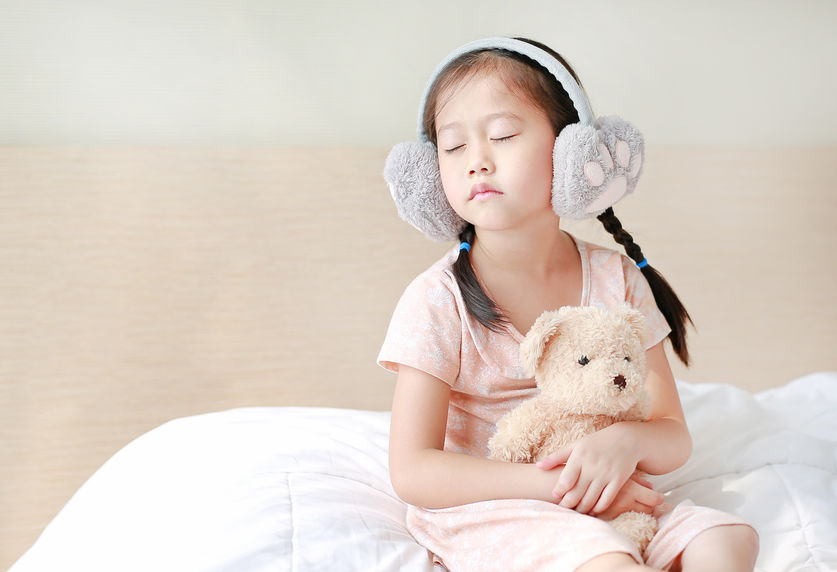
Stuffed animals are often associated with childhood, but comfort objects do not necessarily lose their meaning as we get older. A favorite teddy bear or plush friend can hold memories, provide something soft and familiar to reach for, and simply make a difficult day feel a little more manageable.
For someone experiencing depression, a stuffed animal is not a treatment or cure. However, familiar comfort items can sometimes provide emotional reassurance, sensory comfort, and a sense of familiarity during stressful or difficult moments.
Why Comfort Items Can Feel Reassuring
Holding something soft can feel naturally comforting. Research on touch and well-being has found that touch-based interventions can positively affect stress, anxiety, and mood. A large 2024 review published in Nature Human Behaviour found benefits from different forms of touch, although the mental health effects were generally stronger with human touch than with objects or robots.
That does not mean cuddling a teddy bear will make depression disappear. Instead, a soft object may simply offer a calming sensory experience during moments when someone feels overwhelmed, lonely, or emotionally drained.
Familiar Objects Can Create a Sense of Stability
Depression can sometimes make everyday life feel more difficult. According to the National Institute of Mental Health, symptoms may include persistent sadness, fatigue, difficulty concentrating, changes in sleep, loss of interest in activities, and feelings of hopelessness.
During difficult periods, familiar objects can provide a small sense of consistency. A stuffed animal from childhood might bring back positive memories, while a newer plush could become part of a relaxing evening or self-care routine.
Adults who still enjoy their childhood stuffed animals have no reason to feel embarrassed about keeping something with sentimental value or that provides comfort.
Stuffed Animals Can Be Part of a Calming Routine
Small routines can help make stressful days feel more predictable. Someone might keep a favorite stuffed animal near their bed, on the couch, or in another comfortable space where they go to unwind.
A plush friend could be part of a routine that also includes reading, listening to music, journaling, watching a favorite show, or simply taking some quiet time.
Stuffed animals may also be used as comfort items in certain therapeutic or caregiving settings. You can learn more about the broader idea in our guide to stuffed animal therapy.
Comfort Does Not Replace Mental Health Care
It is important to separate emotional comfort from professional treatment. Depression is a real health condition, and a stuffed animal should never be viewed as a replacement for therapy, medication, medical care, or support from other people.
The National Institute of Mental Health explains that depression treatment commonly involves psychotherapy, medication, or a combination of approaches depending on the individual’s needs.
If feelings of depression are persistent or interfering with everyday life, talking with a healthcare provider or licensed mental health professional is an important step. Anyone experiencing thoughts of suicide or a mental health crisis in the United States can also call or text 988 for the Suicide & Crisis Lifeline.
There Is Nothing Wrong With Seeking a Little Comfort
Comfort can look different for everyone. For some people it may be a favorite blanket, a familiar song, a pet, time with someone they trust, or a stuffed animal that carries special memories.
A plush companion cannot solve depression, but if holding something familiar helps you feel a little calmer or more grounded during a hard moment, there is nothing wrong with making room for that comfort.
If you are looking for a soft companion for yourself or someone you care about, visit The Zoo Factory to explore our collection of stuffable animals. With teddy bears, puppies, cats, wild animals, and more, you can create a personalized plush friend that offers a little extra comfort when you need it.