Posted on Leave a comment

How Stuffed Animals Can Help Kids Adjust to a New School Year

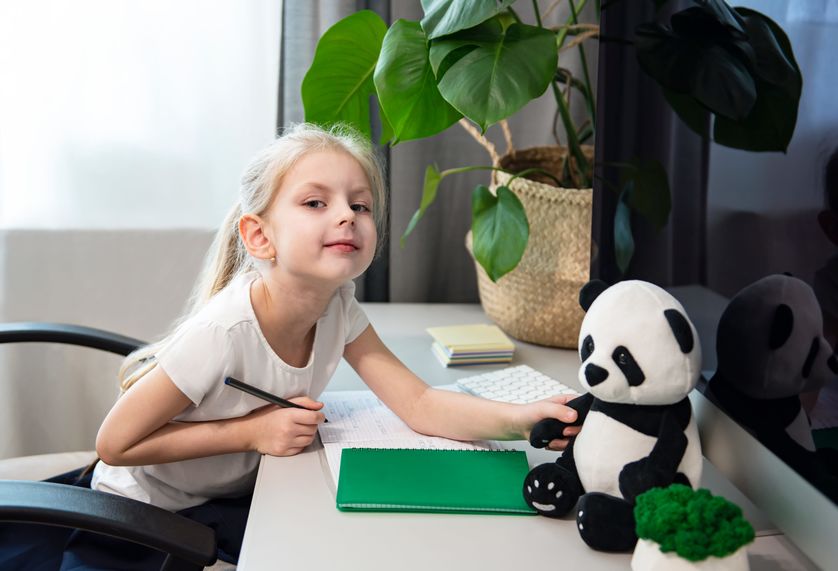
Little girl with blond hair sits at a table and does homework with stuffed animal panda.

Starting a new school year can be exciting, but it can also bring big feelings. New teachers, new classrooms, new routines, and sometimes even a new school can take time for kids to get used to.

While every child handles change differently, familiar comfort items can sometimes make transitions feel easier. A favorite stuffed animal can provide a sense of familiarity at home while also giving kids a simple way to talk about what they are experiencing.

Offer Comfort After a Busy School Day

The first few weeks of school can feel especially tiring. Kids are adjusting to new schedules, learning classroom expectations, meeting classmates, and taking in a lot of new information.

Coming home to something familiar can help create a sense of routine. A favorite stuffed animal can become part of an after-school wind-down routine, whether your child wants to cuddle, read, play quietly, or simply relax for a while.

Use Pretend Play to Talk About School

Some children may not immediately want to talk about their day. Pretend play can offer another way to work through school experiences.

A stuffed animal can become the “student,” “teacher,” or “new kid” during playtime. Your child might act out a classroom scene, pretend the animal is nervous about school, or show their plush friend what happens during lunch or recess.

These kinds of activities can help children express feelings and make sense of new experiences in a low-pressure way.

Create a School-Themed Stuffed Animal

Another fun idea is to give a favorite plush friend its own back-to-school look. A simple stuffed animal T-shirt or outfit can make the animal feel like part of the new school-year routine.

Kids can even decorate a plain T-shirt with their school colors, name, favorite subject, or a positive message. This gives them a creative project while making their stuffed friend feel even more personal.

Make Reading Time More Comfortable

Reading at home is often part of the school routine, and a stuffed animal can make it feel more relaxed and fun.

Your child can read aloud to a plush friend, explain what happened in a story, or use the animal as a quiet reading buddy. For younger readers, this can make practice feel less formal and more like play.

If your child is building confidence with reading, having a familiar stuffed animal nearby can help create a cozy environment for practicing at their own pace.

Keep Familiar Routines at Home

When school changes a child’s daily schedule, keeping a few familiar routines at home can be helpful. Bedtime stories, quiet play, and time with a favorite stuffed animal can all become signals that the busy part of the day is winding down.

These routines do not need to be complicated. Small, predictable moments can help make the transition into a new school year feel more manageable.

Start the School Year With a New Plush Friend

A new school year is full of changes, but it can also be a chance to create new traditions. A stuffed animal can become a reading buddy, pretend classmate, after-school companion, or simply a familiar friend at the end of a long day.

At The Zoo Factory, kids can choose from a wide variety of stuffable animals and personalize them with outfits and accessories. Whether you are celebrating the first day of school or helping your child settle into a new routine, a plush friend can make the season a little more fun.

Posted on Leave a comment

The Benefits of Pretend Play

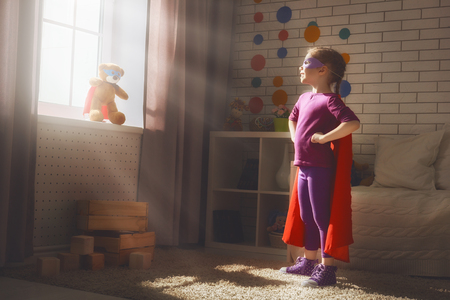
Little child girl plays superhero. child plays with her friend a teddy bear. girl power concept.

A stuffed animal can be a best friend, a patient at a pretend doctor’s office, a student in an imaginary classroom, or even the guest of honor at a tea party. When children use toys to create their own stories and imaginary worlds, they are doing more than simply keeping themselves entertained.

Pretend play gives children opportunities to practice important skills while using their creativity. According to the American Academy of Pediatrics, imaginative play can support language development, social and emotional skills, creativity, and problem-solving.

Here are a few of the ways pretend play can benefit children as they grow.

Encourages Creativity and Imagination

Pretend play gives children the freedom to turn everyday objects and toys into almost anything they can imagine. A stuffed animal might become an explorer one day and a superhero the next.

Because there is no single right way to play, children get to create their own characters, stories, rules, and adventures. This type of open-ended play encourages them to think creatively and come up with new ideas on their own.

Builds Language and Communication Skills

Children often talk their way through pretend play. They may give their stuffed animals names, create conversations between characters, explain what is happening, or tell an entire story aloud.

These interactions give kids a natural opportunity to practice vocabulary and communication skills. Pretend play with parents, siblings, or friends can also introduce children to new words and ways of expressing their ideas.

The American Academy of Pediatrics notes that imaginative play can help strengthen language development as children create scenarios and communicate the roles and rules of their games.

Helps Develop Social and Emotional Skills

Pretend play can also help children explore different perspectives. When a child pretends to care for a sick teddy bear, puts a doll to bed, or comforts a stuffed animal that is “sad,” they are practicing ways of recognizing and responding to emotions.

UNICEF also recommends make-believe activities such as rocking a teddy bear to sleep as a way for young children to practice empathy and social skills.

When children pretend together, they also have opportunities to practice sharing, taking turns, cooperating, and deciding who will play each role.

Encourages Problem Solving

Imaginary play often comes with imaginary problems. Maybe a stuffed animal needs a home, a pretend restaurant has run out of food, or a toy needs to be rescued.

Children have to decide what happens next and come up with their own solutions. These small challenges encourage flexible thinking and give kids practice making decisions in a low-pressure environment.

Helps Children Explore Real-Life Experiences

Pretend play can give kids a comfortable way to act out things they see and experience in everyday life. They might pretend to go to school, visit the doctor, cook dinner, take care of a baby, or go on a trip.

Recreating familiar situations can help children better understand the world around them. It can also give parents an opportunity to join in and talk through new or unfamiliar experiences.

Adding stuffed animal outfits and costumes can make these scenarios even more engaging by letting children turn their plush friends into doctors, athletes, superheroes, and other characters.

Make More Room for Imaginative Play

Children do not need complicated toys or elaborate setups to enjoy pretend play. Sometimes a favorite teddy bear, a few accessories, and an active imagination are all it takes to create an entire adventure.

At The Zoo Factory, kids can create a plush friend of their own with our collection of stuffable animals, then personalize it with outfits and accessories that can inspire even more imaginative play. Whether their new friend becomes a teacher, explorer, doctor, or simply a favorite companion, the possibilities are up to them.