The holiday season is often filled with joy, anticipation, and a long list of gifts to buy. As parents, we tend to focus on getting the best presents for our children, but teaching kids how to think about giving gifts to others is a valuable life lesson that builds empathy, thoughtfulness, and generosity.
Helping your child navigate gift giving does not have to be stressful. In fact, it can be a meaningful family activity that strengthens their understanding of others’ feelings and preferences. Instead of simply choosing what adults think is “useful,” guiding children through the gift-giving process helps them understand that gifts are about showing love and appreciation.
Here are some practical ways to help your child choose thoughtful gifts for friends, siblings, teachers, or family members.
Encourage Creative Thinking
Rather than telling your child what to buy, encourage them to think about the person they are shopping for. Ask questions that help them reflect. For example, you might ask, “What does your friend enjoy doing at recess?” What is your sibling’s favorite color? What makes Grandma laugh? These simple prompts help children personalize their ideas and begin thinking beyond generic gifts.
If your child enjoys crafting, let them create something handmade, whether it is a drawing, a small craft project, or a decorated keepsake box. Handmade gifts often become treasured mementos because they reflect time, effort, and heart.
Brainstorm Together Without Leading
Children may struggle to come up with gift ideas on their own. Rather than telling them exactly what to buy, offer brainstorming support. Sit down together and jot down various options that relate to the recipient’s interests, hobbies, and favorite things. This not only helps your child feel involved, but also teaches them to consider others thoughtfully.
It is okay to include ready-made gifts, particularly if they align with the recipient’s interests. The key is to let your child participate in the thought process.
Teach About Budgeting and Value
Understanding money is a skill that develops over time. Kids may not yet grasp the cost of items or how to balance a budget. Setting clear spending limits ahead of time gives them a structure to work within. If they receive an allowance or holiday money, encourage them to contribute part of their own funds toward a gift. This empowers them and helps reinforce the connection between money, choice, and value.
Talking about budgeting also offers a chance to explain why thoughtful, inexpensive gifts can be just as meaningful as more costly ones.
Make It a Shared Experience
Shopping for gifts together can be a way to bond and create lasting memories. Plan a special trip to look for presents, wrap them together, or talk about why your child chose each item. These moments can become treasured traditions.
Giving gifts also provides an opportunity to discuss acts of kindness and generosity that don’t require spending money, like writing letters, performing helpful chores, or spending quality time with someone.
Gift Giving Made Meaningful This Holiday Season
Teaching children how to give with thought and care helps them understand that the value of a gift lies in the intention behind it. Whether your child chooses something handmade, picks out a thoughtful item, or builds a cozy holiday companion, it is the joy of making someone else smile that matters most.
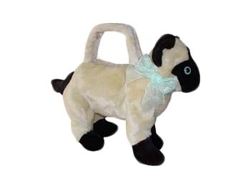
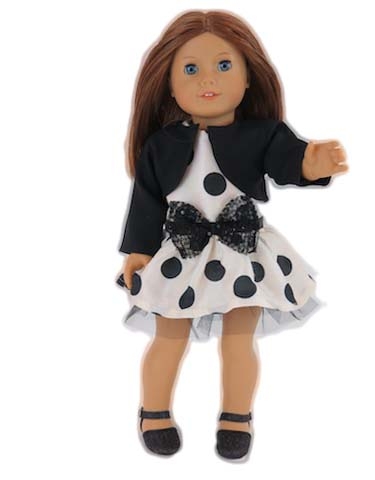
For holiday gift ideas that appeal to kids and adults alike, explore the holiday collection of stuffable animals and seasonal outfits available at The Zoo Factory. These playful kits and outfits make heartfelt gifts and shared family activities, perfect for making your holidays meaningful and memorable!